
Wild Fermentation Immersion
Instructor: Gabe Garms
Dates: August 22-23, September 19-20, October 17-18, November 14-15
Cost: $1000 for full course or $300 for an individual weekend class. We have limited space available so apply at bottom of page as soon as possible.
Locations: Both at field locations in and close to the Methow Valley, WA and at our residence in Twisp, WA
This course brings together my two greatest passions: fermentation and plants (both wild and cultivated). Before I founded Creative Koji, I taught ethnobotany, permaculture, wild foraging, herbalism and fermentation at a school in Bellingham called Raven’s Roots Naturalist School (www.ravensroots.org). This class has been in the planning for many years now and I’m finally ready to launch my first year in the beautiful Methow Valley, WA.
It moves between field based learning and hands on fermentation work. Each weekend begins in and around the Methow Valley, where we spend time identifying plants and fungi, learning how they function within their ecosystems, and actively harvesting seasonal ingredients. We also work with foods grown in local farms and in our home permaculture garden to complete what we ferment.
Reciprocity is built into this process from the beginning. Before any harvesting, students learn how each plant reproduces and how to support its continued growth through propagation, seed collection, and responsible harvesting practices. The goal is to work with these living systems in a way that supports their continuation over time, not just their use.
From there, we move directly into fermentation using a range of techniques including lactic ferments, wild beverages, vinegars, grain and legume ferments, and koji based foods. The focus is not on fixed recipes, but on understanding the principles behind each process so students can confidently work with seasonal and regional ingredients in their own kitchens.
Apply by clicking here
Weekend Details:
August 22–23: Foundations of Fermentation
Saturday: Field work in and around the Methow Valley
Plant identification, ecology, and seasonal plant communities
Learning how plants function within their environments
Harvesting wild foods including berries, roots, seeds, greens, and herbs
Understanding growing conditions and plant relationships
Reciprocity practices including propagation, seed collection, and responsible harvesting
Some materials will be used immediately, others preserved for later weekends
Sunday: Fermentation foundations in Twisp
Tour of our home permaculture garden and perennial food systems
History and science of fermentation across cultures
Microbial pathways and control points including pH, salinity, oxygen, humidity, and temperature
Introduction to lactic fermentation techniques
Hands on fermentation including:
Krauts and seasonal vegetable ferments
Lacto fermented fruits
Fermented sauces and condiments
Wild mustard and seasonal ferments
Hot sauces, chutneys, and seasonal preserves
September 19–20: Mountain Harvests and Beverages
Saturday: High elevation field work
Mountain plant communities and fungi identification
Wild harvesting including huckleberries, blueberries, mountain ash berries, and edible mushrooms
Ecology and relationships between species at elevation (both fungi and plants)
Seasonal availability and responsible harvesting practices
Continued emphasis on reciprocity and propagation where applicable
Sunday: Fermented beverages and vinegarFermentation pathways in beverages (lactic and acetic systems)
Wild kombucha and jun using local herbs, flowers, and fruits
Beet kvass, bread kvass, milk kefir
Tepache adapted to regional fruits
Additional seasonal wild beverages
Vinegar making:
Fruit, berry, vegetable, and grain vinegars
Drinking vinegars and shrubs
Oxymels with local herbs
Applications of vinegar:
Cooking and flavor balancing
Pickling and preservation
Natural cleaning uses
Intro to fresh cheeses (paneer style applications)
October 17–18: Grains and Legumes
Saturday: Field work in and around the Methow Valley
Seasonal roots, seeds, greens, and wild foods
Plants may include burdock, dandelion, thistle, evening primrose, amaranth, sunflower, and others seasonally available
Plant communities and ecological relationships
Harvest timing, seed saving, and propagation practices
Materials preserved or used in Sunday fermentation
Sunday: Grain and legume fermentation
Overview of grain and legume fermentation techniques
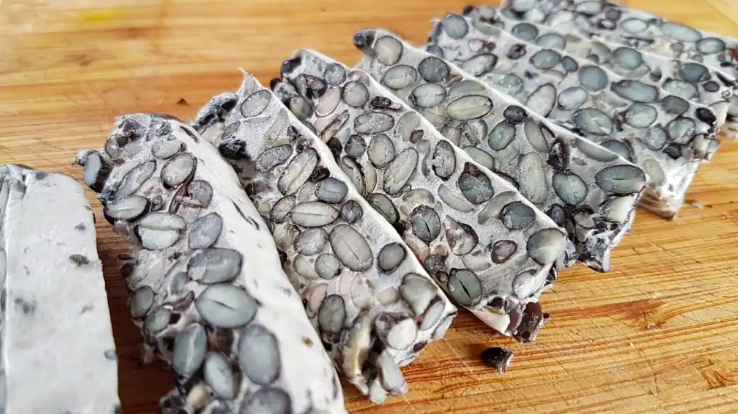
Tempeh production and culture management
Natto fermentation
Wild fermented grains and legumes and low cost incubation methods
Traditional fermented foods including:
Idlis
Dosas
Dhoklas
Acarajé
Incorporating wild and local ingredients into staple ferments
Fermentation control and environmental conditions for successful results
November 14-15: Koji Intensive
Two full days at our residence in Twisp, WA
History and science of koji
Enzyme activity and transformation of starches and proteins
How to grow koji at home and source spores
Incubator setups from low cost to controlled systems
Koji based fermentations:
Miso (non soy, gluten free)
Shoyu (alternative legumes)
Amazake
Shio koji
Koji flour preparations
Koji cheeses and cured foods
Cooking with koji:
Miso in soups, sauces, marinades, and dressings
Shio koji as seasoning and tenderizer
Broader applications:
Natural cleaning uses
Soil and ecological applications
Course closing fermentation potluck (final 1–1.5 hours)
What students receive:
Students leave with practical experience working with multiple fermentation techniques and seasonal ingredients, along with the confidence to continue these processes at home.
Each student receives:
A range of active fermentation cultures used throughout the course, including kombucha and jun SCOBYs, milk kefir grains, sourdough starter, koji culture, and tempeh starter
Fermented foods and beverages made during the weekends
Seeds and hardwood cuttings from selected edible and useful plants introduced during field sessions
Detailed notes covering techniques, control points, and fermentation processes used in class
Experience working with both wild and locally sourced ingredients using multiple fermentation techniques
A working understanding of how to grow, maintain, and continue these cultures at home
Students also learn how to identify, harvest, and propagate many of the plants studied during the course, allowing them to continue working with both wild and cultivated food systems beyond the classroom.